
4 Commonly Missed Signs of Excess Moisture in the Basement
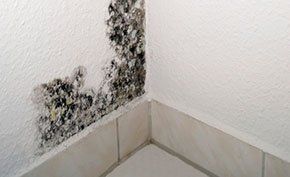
Having a basement in your home offers several advantages. However, having a basement also means your home is more susceptible to water damage and higher levels of moisture. This is especially true when your home is older and you live in an area with naturally high levels of rain and groundwater.
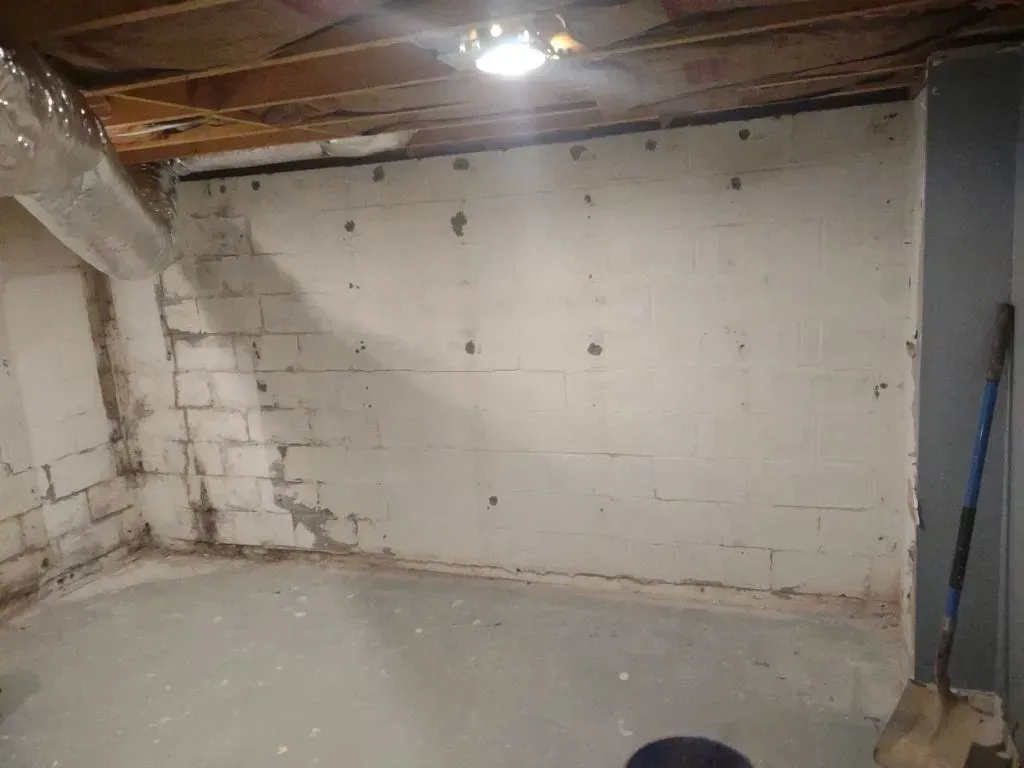
A leaking basement is not always as obvious as puddles and flooding. Sometimes, the moisture problems start out slow and worsen over time because homeowners don't know the early warning signs of a moisture problem. Check out some of the commonly missed signs of excess moisture in a basement so you know when to seek professional waterproofing assistance.
1. Stained or Blistered Wall Paint
If you have your basement walls painted, especially if the paint is directly applied to concrete, the moisture gets sealed in between the paint and the actual wall. Therefore, you may not immediately notice that there is a moisture problem. However, you will notice discoloration of the painted wall and blisters or bubbles where moisture has accumulated in a pocket behind the paint.
2. Efflorescence of Concrete
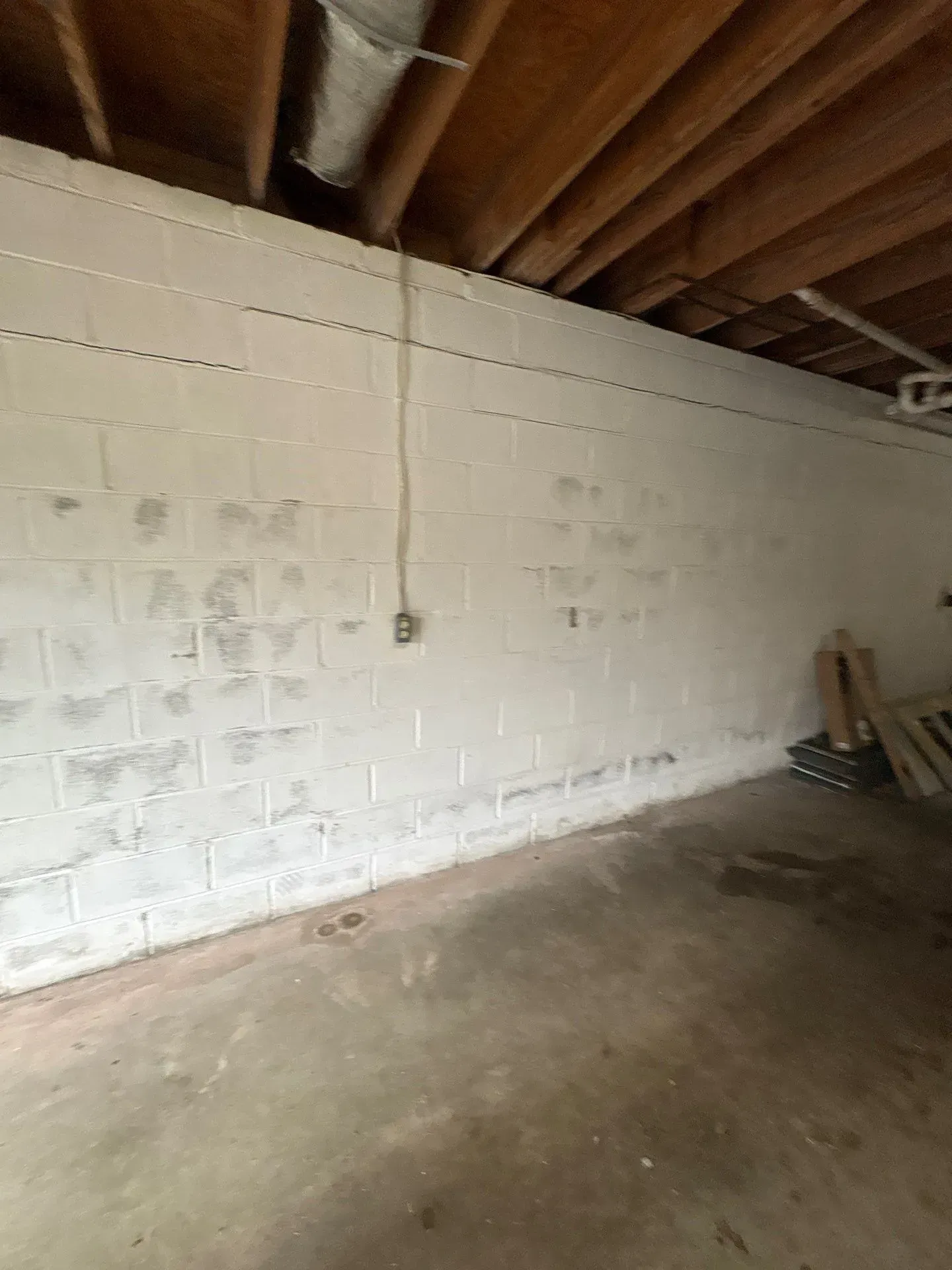
You may not see the water bleeding through concrete walls, but what you may notice is efflorescence, which is also sometimes called spalling. Efflorescence occurs when water evaporates and leaves behind mineral deposits on the surface of where it evaporated. This issue can show up in a few different ways, so you may notice:
- A white residue around the bottom of basement walls
- A sandy, crystal-like residue in certain spots on basement walls
- Rings of white residue around the mortar between blocks in basement walls
Efflorescence basically means that there is water seeping into the foundational wall material at a high enough level that it is carrying excess mineral deposits with it. Therefore, this problem is one that should not be ignored. Otherwise, you could be facing an even bigger problem with moisture down the road.
3. Foul Odors
Your nose often knows there is moisture in an enclosed space before your eyes can see it or your skin can feel it. This is because stale moisture creates mildew, and mildew has a telltale dank odor. If your basement is well ventilated, you can miss the odor for a while. However, you may catch a whiff of mildew if the basement has been closed off for an extended period of time.
Because nose blindness is a real thing, you can test for mildew odors by closing up the basement and turning off any ventilation to the space for a while. Stay out of the space for most of the day and then head downstairs to see if you notice any odd odors.
4. High Humidity Levels
When a basement is properly waterproofed, it should be cool and dry because it is underground. Therefore, high humidity levels are a surefire sign that you have a moisture problem and potential leaks. You can buy a dehumidifier, but this only pulls moisture from the air — it doesn't fix the problem.
You can test the humidity level in your basement with a hydrometer. Turn off any dehumidification devices and ventilation you have before running the test. If your basement humidity levels are above 50 percent, this is an unhealthy level and signifies that there is a problem.
A leaking basement, no matter how minuscule the problem may seem, can cause damage to your home and impact the health of your family. Thankfully, most basements can be waterproofed with specific techniques and attention. If you suspect that you have too much moisture in your basement, reach out to us at H20 Waterproofing for professional advice and assistance.
Search Post
Recent Posts


Share post